#1 Trusted Bat Removal Troy MI
Need bat removal Troy MI homeowners can trust? Bats in your home aren’t just a nuisance — they’re a health risk, a structural threat, and under Michigan law, a problem that must be handled correctly or it will come back. Licensed. Local. Bat specialists only.
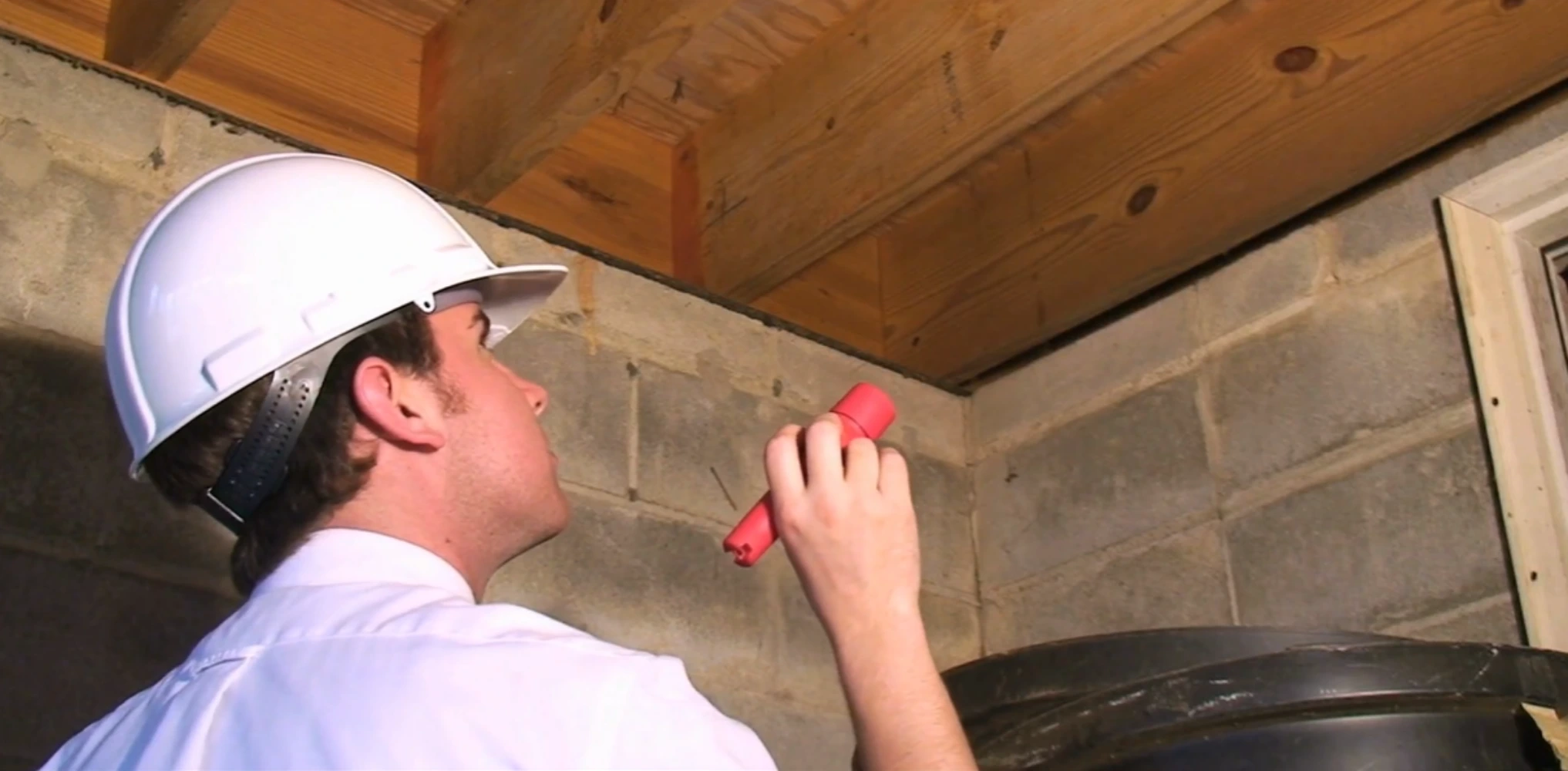
Read This Before You Hire Any Bat Removal Company in Troy MI
Every year, Troy homeowners spend money on bat removal — and end up with bats again six months later. Before you call anyone, including us, there are things you need to know about this industry in Oakland County.
Not every company actually operates in Troy, MI
Many results are national call centers or operators who list Troy as a service area but have no local knowledge of Oakland County construction eras or entry point profiles.
Michigan bat law is non-negotiable
All nine Michigan bat species are protected under NREPA. Killing, trapping, or chemically repelling bats is illegal. The only legal method is exclusion. Any company offering “guaranteed extermination” is a red flag.
The maternity season exclusion ban is enforced
No bat exclusion may legally occur between early June and August 14. Sealing pups inside your attic causes them to die, decompose, and creates a secondary infestation — and it violates Michigan wildlife law.
Incomplete work is worse than no work
If a company misses the scalloped vent strip or fascia gap, bats adapt within one season. We’ve seen Troy homeowners spend $600 with a previous operator only to spend $1,400 with us to fix what they missed.
Odor treatment is not an upsell
Bats navigate by smell. Pheromone markers in guano attract returning bats every spring. Odor neutralization is a required step in any permanent solution — not optional.
What to ask before you hire anyone:
- Are you a licensed Michigan Wildlife Control Operator?
- Do you use one-way exclusion devices or do you seal directly?
- Do you observe the Michigan maternity season exclusion restriction?
- Do you include odor treatment in your exclusion process?
- What is your guarantee and what does it cover?
Complete Bat Removal Troy MI Services We Provide
Bat problems rarely come in a single form. We handle every stage of every bat scenario Troy MI homeowners face — from the first inspection to the final walkthrough.
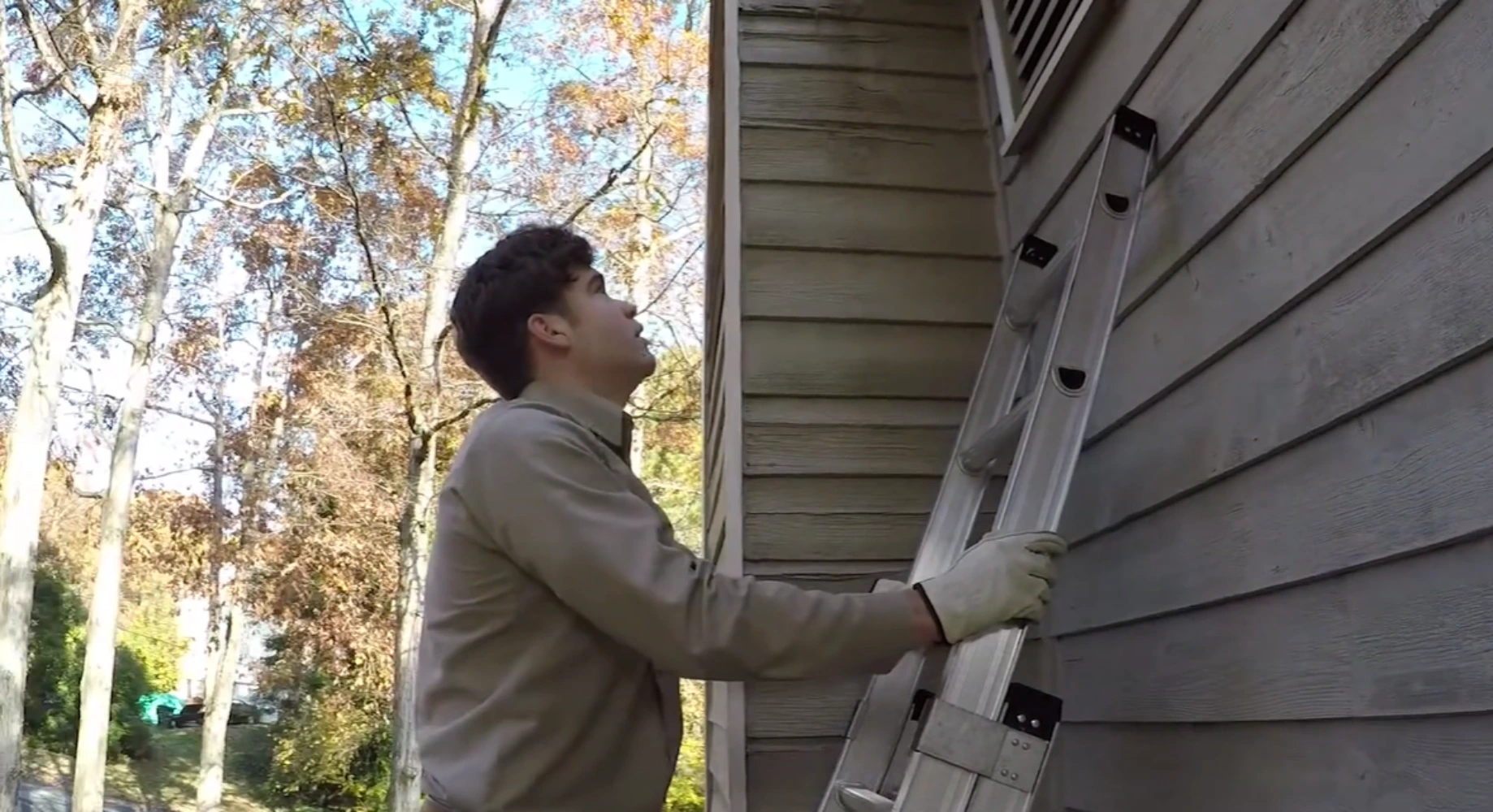
Bat Inspection & Assessment
Every job begins with a free, no-obligation inspection. Not a glance from the driveway — we walk every linear foot of your home’s exterior perimeter and document findings with photographs.
We inspect ridge vent end caps, fascia board edges, scalloped vent strips, HVAC penetrations, chimney gaps, and garage roofline junctions. Written assessment report included — yours to keep regardless of whether you hire us.
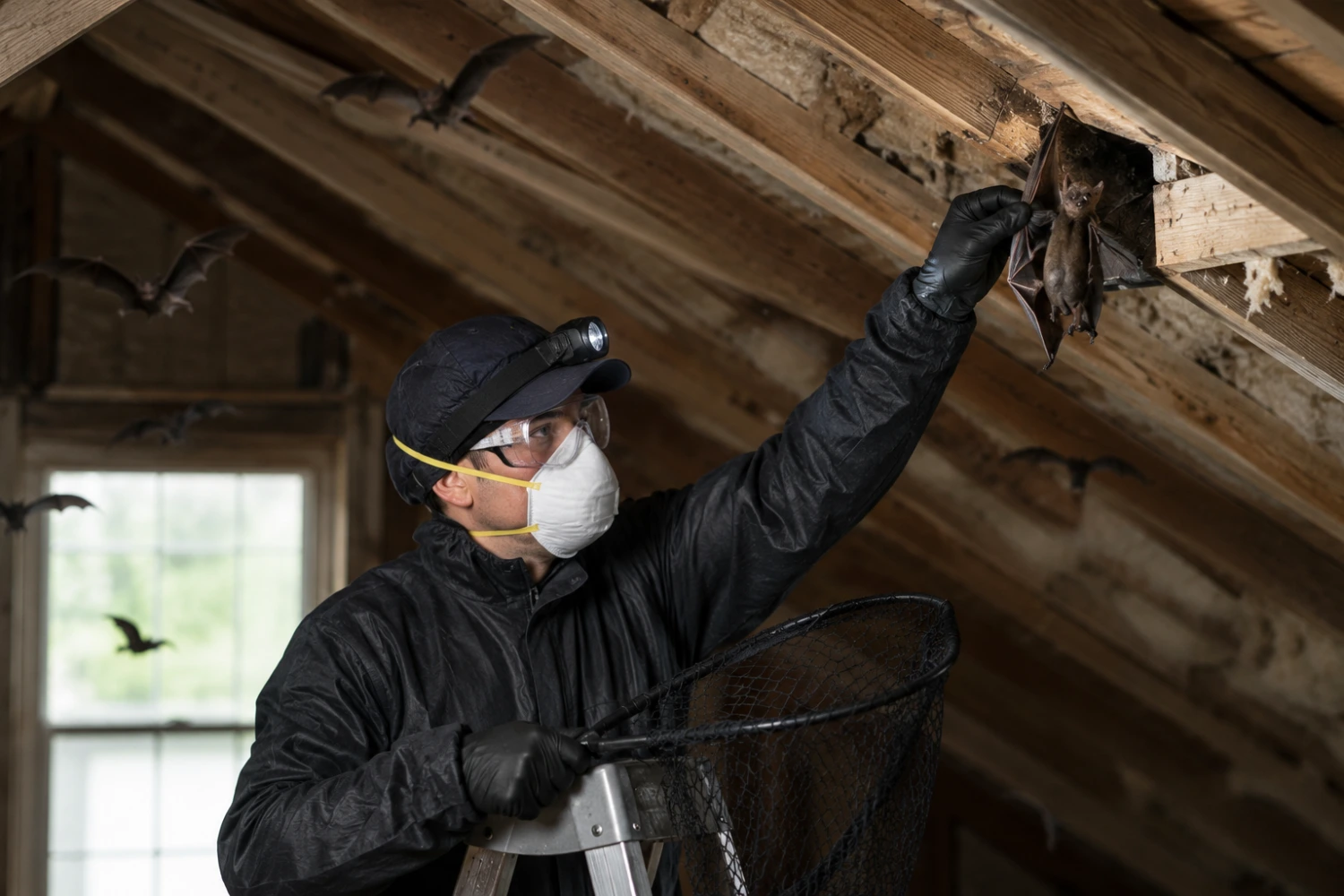
Humane Bat Removal Troy MI
Michigan law is unambiguous: bats cannot be killed, trapped, or chemically repelled. Humane bat removal means one-way exclusion devices at active entry points.
Devices allow bats to exit normally at dusk but physically prevent re-entry. Over 5–7 days, the entire colony exits naturally. We never perform exclusion during Michigan’s maternity season (early June through August 14).
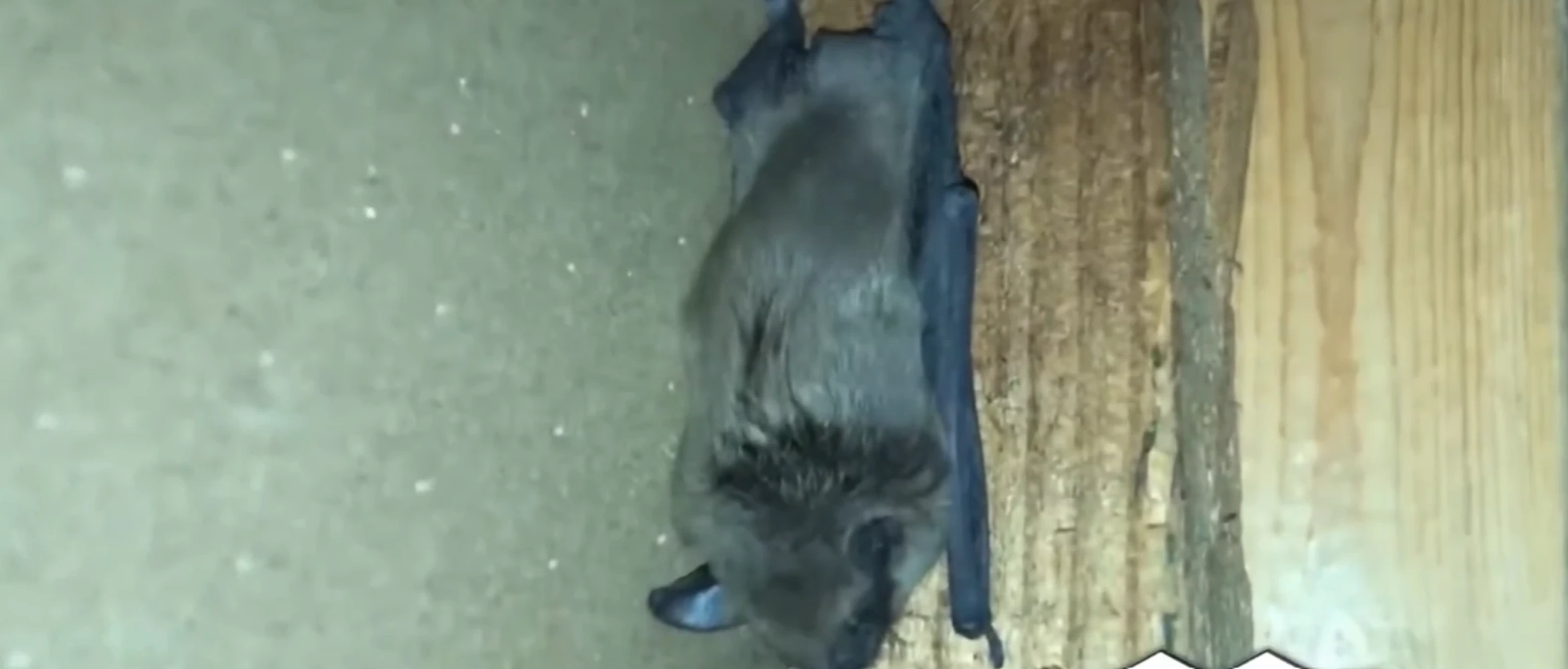
Bat Exclusion & Entry Sealing
Exclusion is the technical core of permanent bat removal, and it’s where most DIY attempts and generalist operators fall short.
Commercial-grade one-way exclusion devices, then permanent closure: metal mesh end caps, hardware cloth with exterior-grade polyurethane sealant, stainless steel chimney caps — every seal built to last.
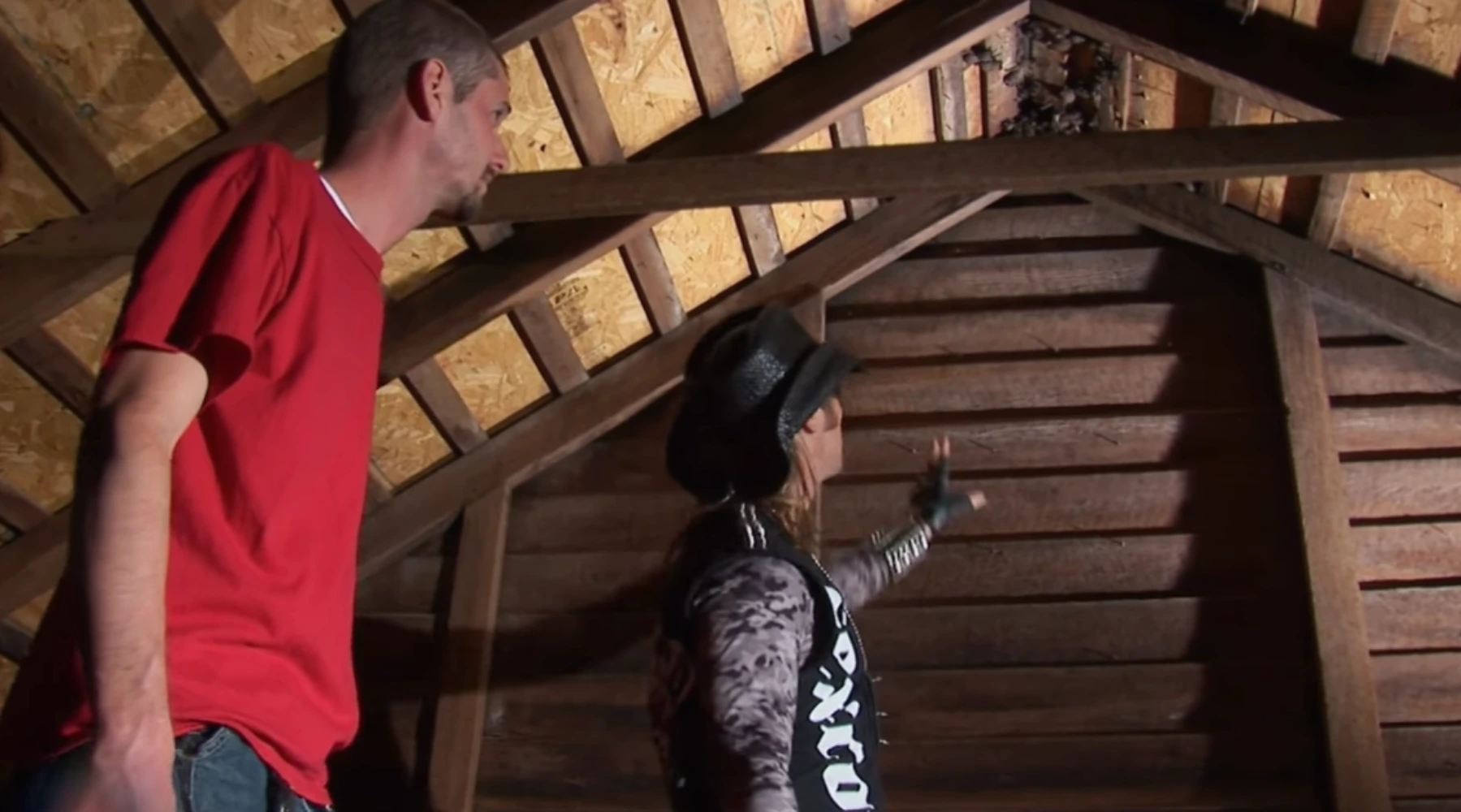
The attic is the most common bat roost location in Troy MI residential homes. Big Brown Bats are colonial roosters that return to the same site year after year.
Attic jobs carry additional complexity: interior migration risk. When bats can’t find their primary exit, they follow air movement downward through recessed lights, chimney framing, or HVAC returns. We seal interior migration pathways as part of every attic job.
Little Brown Bats are particularly common chimney roosters — they access gaps between the chimney cap and crown or through open mortar joints.
Chimney exclusion requires specialized device placement to cover the cap opening without restricting chimney draft or creating fire hazard. Stainless steel chimney cap excluders permanently fitted with heavy-gauge wire mesh after the exclusion period.
Attached and detached garages in Troy MI are among the most frequently overlooked bat roost locations. A garage ridge vent installed in 1978 without end cap mesh can house a full maternity colony.
We’ve documented cases where a Troy MI homeowner had $2,000+ in vehicle damage from accumulated guano on a car parked in a bat-colonized garage for a single season. Full-perimeter exclusion protocol applied to all garage and barn jobs.
Bat Guano Cleanup, Dead Bat Removal & Emergency Response
Beyond exclusion, we handle the full aftermath — guano remediation, dead bat removal, and same-day emergency service when you need help fast.
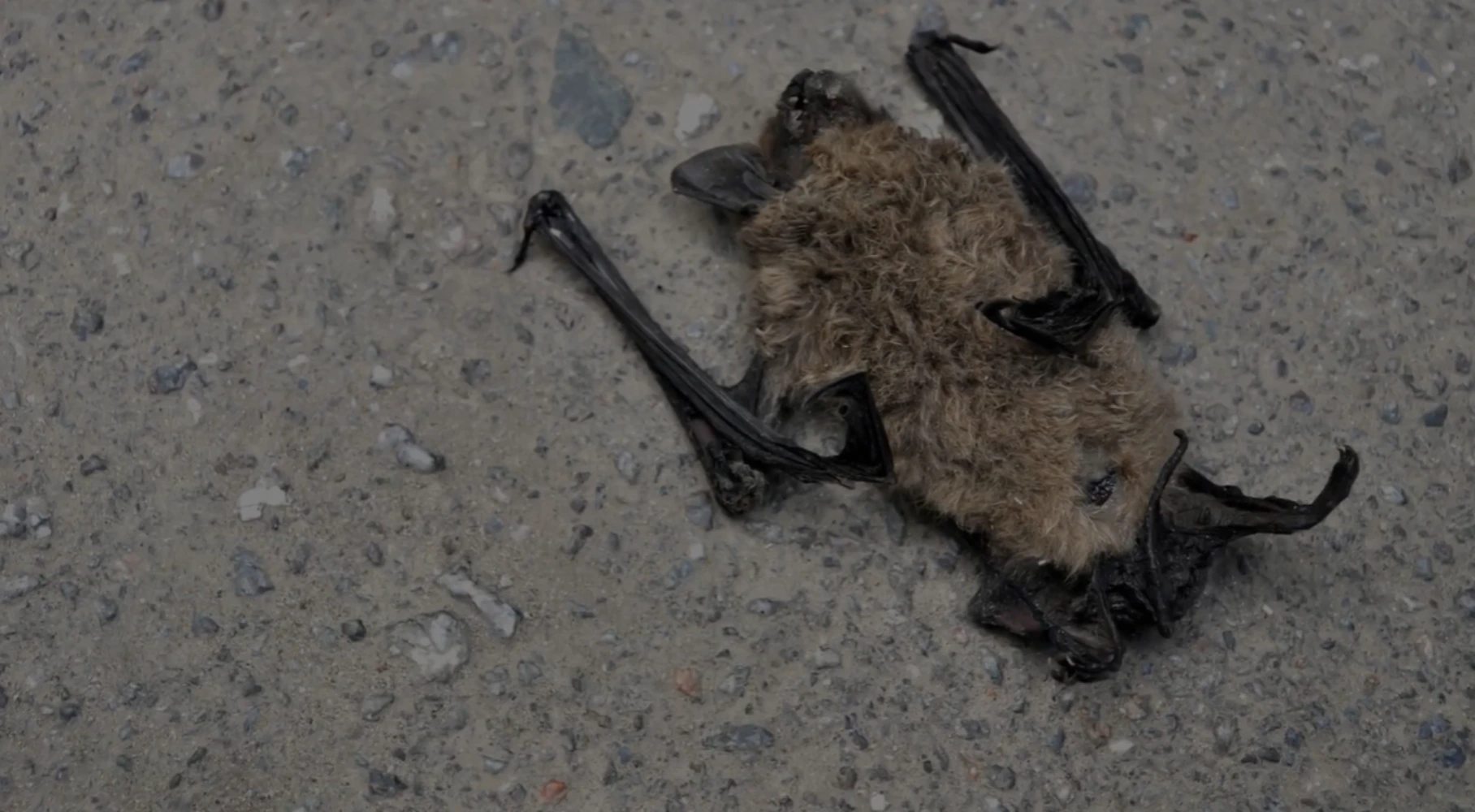
A dead bat found inside a living space requires careful handling. Rabies transmission risk via direct contact means the bat should never be handled without appropriate PPE — and in some cases, the bat itself needs to be preserved for public health testing.
We remove and safely dispose of dead bats following Oakland County Health Division protocols, document the removal, and advise on whether public health notification or rabies testing is warranted given the circumstances of discovery.
Bat Guano Cleanup & Remediation
Bat guano accumulation in attics carries genuine health risk. Histoplasma capsulatum — the fungal pathogen responsible for histoplasmosis — thrives in guano deposits and becomes aerosolized during disturbance.
Professional-grade HEPA vacuum equipment, N100 respiratory protection, EPA-registered disinfectants and enzyme-based deodorizers applied to affected structural surfaces. Written documentation of all materials removed for insurance purposes.
Emergency Bat Removal Troy MI
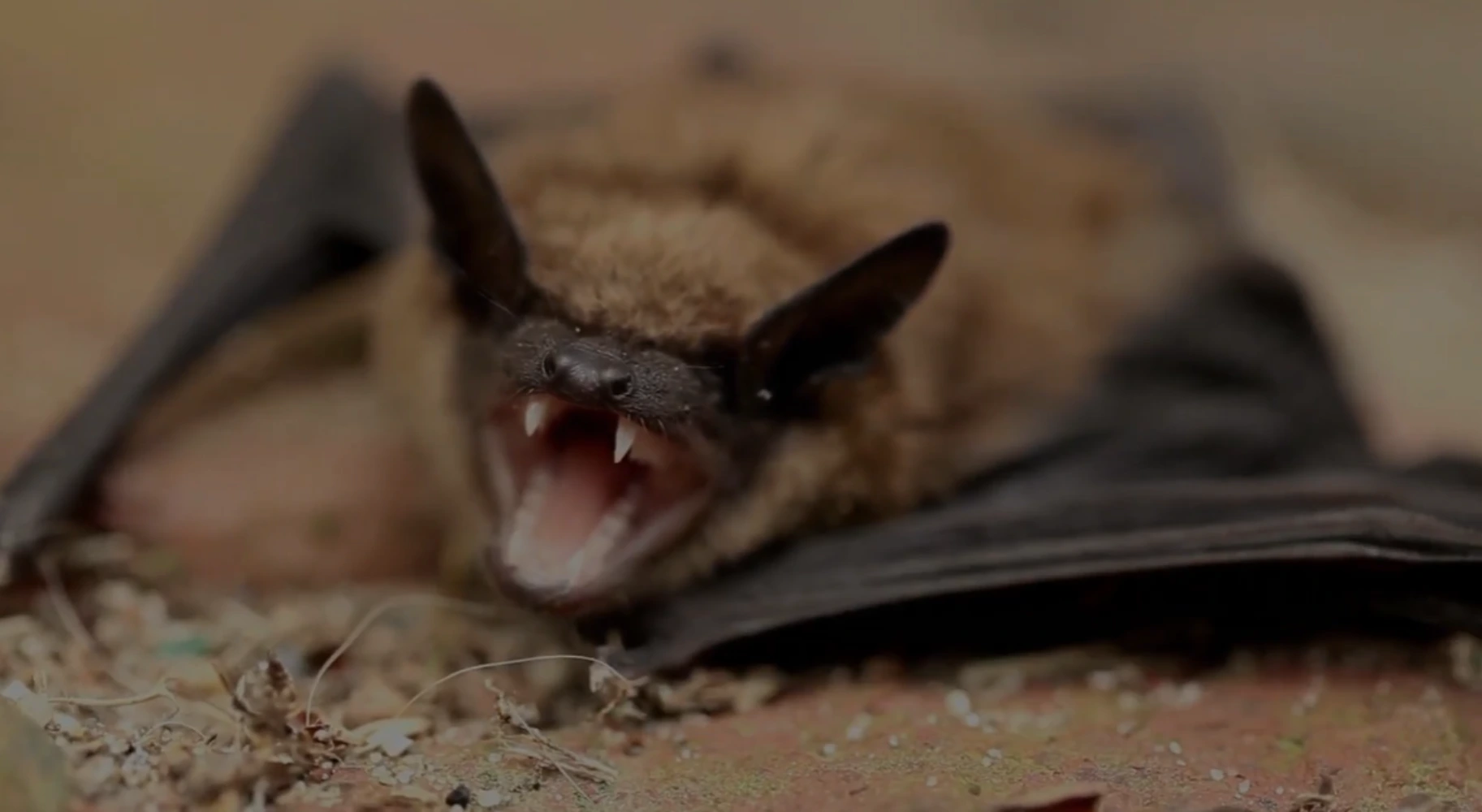
A bat circling a bedroom at 11pm is a genuine emergency — particularly if children, elderly individuals, or immunocompromised persons were in the room while sleeping. Exposure during sleep may not be recognized as a bite.
Same-day emergency response. We contain and capture the bat, advise on public health protocol including whether to preserve the bat for rabies testing, and begin exterior assessment the same visit. Available 7 days a week.
Six Reasons Troy Homeowners Trust Our Bat Removal Troy MI Experts
We are not a national franchise. We are an Oakland County operation built around one specialty — and the differences directly affect whether your problem is solved permanently.
Local Troy, MI Team
An Oakland County operation with a 248 area code. Technicians who have inspected enough homes on Big Beaver Road, off Crooks Road, and throughout the Squirrel Run corridors to recognize your home’s construction profile before they get out of the truck.
Thorough Property Inspection
Our inspection covers what most operators miss. The standard check finds perhaps 60% of bat entry points. The other 40% are scalloped vent strips, fascia board corners, HVAC penetrations, cracked ridge vent filters — the entry points bats adapt to after incomplete exclusion. Documented with photographs. The report is yours regardless of what you decide.
Humane & Legal Bat Removal Troy MI
Michigan’s bat protection laws under NREPA prohibit killing, trapping, or chemically repelling bats. We comply completely — not because we have to, but because the only method that produces a permanent result is legal exclusion. Licensed Michigan Wildlife Control Operators. Maternity season respected without exception.
Entry Points Professionally Sealed
The quality of the seal is the quality of the result. Hardware cloth backed by exterior-grade sealant. Metal ridge vent replacing failed plastic. Stainless steel chimney caps. Every closure built to last the length of our 2-year guarantee and beyond — not to look complete in a photo and fail in 18 months.
Complete Cleanup & Sanitization
A bat removal job that leaves guano in place is half a job. Full guano removal and sanitization with HEPA equipment, enzymatic odor treatment to remove re-attraction markers, and documentation of any bat bugs present. All three vectors addressed — not just the bats.
Long-Term Bat Prevention Guarantee
Our 2-year guarantee: if bats re-enter through any point we sealed within two years of project completion, we return and resolve it at no cost. No exclusions buried in fine print. No “acts of God” carve-outs for normal seasonal wear. We know that guarantee is only as strong as the work behind it.
What Happens After You Call for Bat Removal Troy MI
Six steps. No guesswork. No pressure. Just a clear, legal, permanent process for bat removal Troy MI MI — from the first phone call to the final guaranteed walkthrough.
Step 01
Contact Our Team
Call +1 (947) 376-6740 any time — day or night. If you have a bat in your living space right now, we’ll walk you through immediate containment steps on the phone. If it’s a bat in a bedroom with sleeping family members, we’ll direct you to call Oakland County Health Department (248-858-1286) first — that is the appropriate first step for potential rabies exposure. For non-emergency situations, use our online scheduling form. We respond to all form submissions within 2 business hours.
Step 02
Schedule Your Property Inspection
We schedule free property inspections 7 days a week, including evenings — because bats are most visible at dusk, and a dusk observation is often the fastest way to visually confirm an active colony and its primary entry point. If you suspect bats, scheduling your inspection at dusk is the most productive option. We come to you. There is nothing to prepare. Just access to your attic hatch (if interior access is needed) and someone present who can walk us around the exterior.
Step 03
Complete Bat Infestation Assessment
The heart of the process — full perimeter inspection. We spend 45–90 minutes on a typical Troy MI home. We check every surface, every gap, every structural transition. Our knowledge of exactly which structural features fail in Oakland County homes of specific construction eras sets our assessment apart. A 1978 split-level on the north side of Troy has a different risk profile than a 1965 brick colonial near Birmingham. We assess your home specifically, not generically. At the end, we brief you on-site in plain language — you don’t wait days for a report by email.
Step 04
Receive a Clear Written Estimate
Within 24 hours of your inspection, you receive a written estimate that itemizes every component of the proposed project: exclusion device installation, permanent sealing by location, guano remediation (if applicable), odor treatment, and any recommended repairs. The estimate is fixed, not open-ended. If we find additional entry points during exclusion that weren’t visible at inspection, we address them at no additional charge — because they’re our responsibility to find, not yours to pay for twice. No high-pressure sales. No “this offer expires today.”
Step 05
Bat Removal Troy MI & Safe Exclusion
On the agreed start date — within the legal Michigan exclusion window of August 15–April 30 — we install one-way exclusion devices at all confirmed active entry points. Devices go in at dawn so the colony is present and will begin using them the first night. We leave devices in place for a minimum of five consecutive nights — longer during cold fronts when bats may reduce exit frequency. After the confirmed exit period, we return for permanent sealing. Total process from first exclusion device installation to final seal: typically 7–14 days depending on weather and colony size.
Step 06
Final Inspection & Prevention Recommendations
After permanent sealing, we perform a post-exclusion walkthrough — interior and exterior — to confirm closure completeness. We check the attic for any lingering bat presence, inspect every sealed point visually, and photograph the completed work. You receive a final project report with before-and-after photos of every entry point, a copy of your 2-year guarantee documentation, and a written prevention checklist — the maintenance steps to ensure your home remains bat-free through Michigan’s seasonal activity cycles.
Real Reviews From Troy Homeowners
“We called three companies. The first two gave us quotes over the phone without ever looking at the house. Troy Bat Removal Pros came out, walked the entire perimeter, and showed us photos of a gap on the chimney side we had no idea existed. Did the job right. Sixteen months later — no bats. The two-year guarantee gave us peace of mind we didn’t have with anyone else.”
Mark T.
Troy MI — Big Beaver Road area, 48084
“Found a bat in my daughter’s bedroom at midnight. I was panicking. Called Troy Bat Removal Pros and the first thing they told me was to call Oakland County Health at 248-858-1286 before scheduling anything — and they were right. OCHD walked us through the rabies protocol. Once that was handled, these guys came out, found a colony of over 30 bats in the attic I had no idea about, and took care of everything. I cannot say enough about how they handled what was a genuinely scary situation.”
Jennifer K.
Troy MI — Rochester Road area, 48085
“Third company we tried. The first two both said ‘job done’ and both times bats were back within six months. These guys identified a scalloped vent strip on the west elevation that neither previous company mentioned once — that was the actual entry point the entire time. Job has held for over a year. Wish we’d called them first and saved $900 on the other two.”
David & Lisa R.
Sterling Heights MI — near Troy border
Reviews reflect actual customer experiences. Names and neighborhoods shared with permission.
Why Troy Residents Choose Our Bat Removal Troy MI Company
When you search for bat removal in Troy MI, you deserve to know what separates operators — because the differences directly affect whether your problem is solved permanently or temporarily.
| Factor | Generalist / Out-of-Area Operator | Troy Bat Removal Pros — Us |
|---|---|---|
| Phone area code | Toll-free or non-248 (we’ve audited companies marketing to Troy with NC and NY area codes) | 248 — Oakland County local |
| Michigan bat law compliance | Variable — some operators trap or use chemical repellents | Full NREPA compliance, maternity season strictly observed |
| Inspection depth | Roofline and visible soffit — ~60% of entry points | Full perimeter: ridge vent end caps, scalloped strips, fascia gaps, HVAC ports, chimney, garage junctions |
| Bat species knowledge | “Bats” as a category | Big Brown Bat & Little Brown Bat — behavioral differences affect exclusion design |
| Odor treatment | Often omitted as a cost-saving step | Standard — included because without it, colonies return the following spring |
| OCHD protocol knowledge | Rarely mentioned | First thing we tell you when a bat is found in a bedroom — 248-858-1286 |
| Guarantee | 90 days–1 year | 2-year full exclusion guarantee |
| Maternity season scheduling | Sometimes ignored | Never compromised — August 15 start, every time |
| Troy MI housing stock knowledge | Generic residential | Specific to Oakland County 1960s–1990s construction profiles |
We’re not the cheapest option in Troy MI, and we won’t pretend to be. We’re the option that solves the problem once.
Bat Removal Projects in Troy MI
Crooks Road Colonial
1978 colonial, Crooks Road area, Troy MI 48084. Two prior wildlife removal operators — both reported job complete. Both times, bat activity resumed within six months.
A scalloped roof vent strip on the west chimney elevation missed by both prior operators — 11 individual openings, each approx. 1/2 inch wide. Plus a 3/8-inch fascia gap at the garage corner showing dark oil staining on both edges. No odor treatment had been performed.
Zero bat activity at 16-month follow-up. 2-year guarantee active. All 14 entry points sealed with hardware cloth and metal flashing. Full guano remediation and enzymatic odor treatment completed.
“I should have called specialists from the start.”
Rochester Road Ranch
1972 ranch, Rochester Road corridor, Troy MI 48085. Homeowner discovered a bat flying in her 10-year-old daughter’s bedroom at 2am. Daughter had been asleep for an undetermined time.
Active maternity colony of approximately 35 Big Brown Bats above the hallway and master bedroom. Primary entry: both gabled ridge vent end caps completely open — original mesh long since deteriorated. Interior migration path: an unsealed recessed light fixture below the roost. The bat came from the attic, not through a window.
Directed homeowner to OCHD (248-858-1286) immediately. PEP protocol completed for child without incident. Exclusion scheduled August 15 (call received in late July). Confirmed bat-free at 11-month post-exclusion inspection.
Troy/Birmingham Border Home
1985 home near Troy/Birmingham border, Sterling Heights Drive area. Purchased in 2022 with a clean home inspection. Homeowner noticed ammonia odor at attic access in summer 2024.
Little Brown Bat colony of approximately 20 individuals roosting between the ridge beam and roof decking. Entry: a 3/8-inch gap at the rake end fascia — a location not assessed under standard home inspection protocols. Two-season guano accumulation confirmed.
Zero bat activity at 13-month follow-up. Cracked plastic ridge vent filter sections replaced with metal. North attic corner guano remediation: 18 inches of blown-in contaminated insulation removed and replaced.
“A wildlife inspection should be standard for any home built before 1995.”
How Michigan’s Seasons Affect Bat Activity Around Your Home
Bat behavior in Troy MI follows a predictable seasonal pattern. Understanding it helps you know when to inspect, when to schedule exclusion, and when to call us.
Spring Bat Activity
March – May
Michigan bats emerge from hibernation as overnight temperatures climb above 50°F — typically March through April in Oakland County. Pregnant females arrive first, scouting established roost sites. Your attic’s residual guano odor does its damage now: if odor was left untreated, expect returning females to probe your structure beginning in late March.
Summer Maternity Season
June – August
Females have given birth and are nursing pups. The colony is at its annual peak size. Pups cannot fly and are entirely dependent on the colony roost. Michigan law prohibits bat exclusion from early June through August 14. Any company that performs exclusion during this window is operating illegally.
Fall Roosting & Migration
September – November
After August 15, pups have grown and the exclusion window opens. Fall is the primary exclusion season in Michigan — and often the most effective one. The colony is complete, actively using established entry points, and exit observations are easy to conduct.
Winter Hibernation
December – February
Most Michigan bat species hibernate in caves and mine shafts. However, Big Brown Bats are cold-hardy and regularly overwinter in structures, including attics and wall voids, if the roost maintains suitable temperatures. A Troy homeowner who discovers bat activity in January almost certainly has an overwintering Big Brown Bat colony.
Why Homes in Troy Are Vulnerable to Bat Infestations
Troy MI’s bat problem is not random. It’s the predictable result of a specific combination of housing stock, geography, and urban ecology.
Older Rooflines & Small Entry Gaps
The majority of Troy’s single-family housing was built between 1960 and 1990 — a period when ridge vent end caps were either not installed, installed with low-quality plastic mesh that has since deteriorated, or installed at gap tolerances never designed to exclude wildlife.
Forty to sixty years of thermal cycling, freeze-thaw expansion, UV degradation, and settling have opened gaps throughout the exterior envelope that simply were not present when the house was built. A 1/4-inch gap that opens over a decade of wood movement becomes a 3/8-inch gap — and that’s all a Big Brown Bat needs.
Warm Attics Attract Bats Year-Round
Bats choose roost sites based on thermal stability, darkness, low humidity, and protection from predators. A well-insulated Troy MI attic — the kind of attic that’s a positive feature from an energy efficiency standpoint — is precisely the thermal environment that a maternity colony needs.
Troy’s climate amplifies this: Michigan winters are cold enough that structural thermal mass is critical for bat colony survival. An attic that maintains 50°F+ through March while the outside temperature is 28°F is a premium roost site. This is why well-insulated, well-built Troy homes get bat problems while drafty barns nearby may not.
Chimneys, Vents & Soffits Create Perfect Entry Points
Every penetration in your home’s exterior envelope is a potential bat entry. Troy homes tend to have multiple chimneys, multiple ridge vent and soffit vent systems, and numerous utility penetrations for gas lines, electrical conduit, and plumbing.
The specific failure modes we see most often: ridge vent end caps missing or deteriorated at both gabled ends; chimney caps absent, improperly sized, or corroded; soffit joints at brick wall transitions; scalloped decorative vent strips at chimney or dormer transitions; plumbing stack boots cracked by Michigan UV and freeze-thaw cycles.
Common Bat Species Found in Troy, MI
Knowing which species is in your home affects how we design the exclusion, when it’s safe to perform it, and what legal protections apply.
Big Brown Bat
Eptesicus fuscus — Primary Attic Species
The most common bat in Troy MI homes. Medium-sized (4–5 inches, 12–13 inch wingspan), brown fur, dark face. Colonial roosters forming maternity colonies of 20–300+ individuals in attics, behind fascia boards, and in wall voids. Cold-hardy — partial hibernators that sometimes overwinter in structures. Most likely responsible for scratching sounds in your attic and bat-in-living-space incidents.
Little Brown Bat
Myotis lucifugus — Chimney & Small Gap Specialist
Smaller (3–4 inch body, 8–11 inch wingspan), brownish-gray with glossy fur. Can squeeze through gaps smaller than 3/8 inch — smaller than a dime. Common in chimneys, behind shutters, in tight wall voids, and in spaces inaccessible to larger species. Also forms maternity colonies. More sensitive to disturbance than Big Brown Bats. State-listed as a Species of Greatest Conservation Need in Michigan.
Indiana Bat
Myotis sodalis — Federally Endangered
Similar in appearance to Little Brown Bat but slightly smaller. Listed as Federally Endangered under the Endangered Species Act. Uncommon in structures but documented in Oakland County’s wooded corridors. If an Indiana Bat is confirmed in your structure, additional federal permitting requirements apply. We are trained to identify and document potential Indiana Bat presence during inspection.
Northern Long-Eared Bat
Myotis septentrionalis — Federally Threatened
Listed as Federally Threatened. Found in wooded areas throughout Oakland County, less commonly in structures. White-nose syndrome has severely reduced Michigan populations. Any suspected Northern Long-Eared Bat encounter triggers additional assessment protocols. Identification note: most Troy homeowners cannot identify species from a glimpse of a flying bat. We can — from colony size, entry gap dimensions, roost location, and behavioral observations.
Species identification is part of our inspection assessment. Do not attempt to handle any bat — contact us for professional identification and safe removal.
How Much Does Bat Removal Cost in Troy MI?
Bat removal pricing varies based on colony size, number of entry points, home complexity, and whether guano remediation is required. The single most important thing: the earlier you call, the less it costs.
| Service | Typical Cost Range |
|---|---|
| Initial bat inspection | Free — always |
| Emergency single-bat response | $200–$400 |
| Full exclusion — small colony (under 20 bats) | $500–$1,500 |
| Full exclusion — medium colony (20–50 bats) | $1,200–$2,500 |
| Full exclusion — large colony (50+ bats) | $2,000–$4,000 |
| Guano spot cleanup (minor accumulation) | $300–$800 |
| Full attic guano cleanup (major accumulation) | $1,500–$4,000 |
| Attic insulation replacement (per 1,000 sq ft) | $2,000–$4,500 |
| Full attic restoration (cleanup + insulation) | $4,000–$9,000 |
| Chimney cap installation with exclusion | $350–$700 |
| Odor treatment | Included in exclusion |
| 2-year guarantee | Included |
What drives cost up
- Multi-entry-point homes requiring more sealing materials and labor
- Guano accumulation from multiple seasons requiring full attic remediation
- Difficult attic access or complex roofline geometry
- Large colony size requiring longer exclusion monitoring period
What drives cost down
- Early intervention — calling when you first hear scratching, not after three seasons
- Homes with limited entry points and simple roofline geometry
- No guano remediation needed (recent infestation caught quickly)
Free inspection. Written estimate. No pressure.
Call for your no-obligation inspection and fixed written estimate.
Troy, MI 48084
Every Troy Neighborhood We Proudly Serve
We provide bat removal services throughout all of Troy MI and surrounding Oakland County cities. We are local — not a dispatch center.
Troy, MI — Primary Service Area
Big Beaver Road Corridor
High concentration of 1970s–1980s colonials. One of our highest-volume service zones.
Crooks Road Neighborhoods
Mix of older ranch and colonial styles. Frequent fascia board gap presentations.
Rochester Road Area
Older subdivisions with aging ridge vent systems. High proximity to wooded corridors.
Long Lake Road Area
Wooded lot homes with high bat habitat adjacency.
Wattles Road Subdivisions
1960s–1970s construction. Common ridge vent end cap issues.
Square Lake Road Area
Near Rochester Hills border. Similar construction profile.
Maple Road Corridor
Mixed residential and commercial. Some older structure bat issues.
Troy Historic District
Older homes with original construction features.
Surrounding Oakland County Cities We Serve
| City | ZIP | Key Note |
|---|---|---|
| Rochester Hills | 48306, 48307, 48309 | Stony Creek Metropark adjacency — high habitat pressure |
| Sterling Heights | 48310–48313 | High-volume market — dense 1970s housing stock |
| Birmingham | 48009 | Older historic homes, premium service area |
| Bloomfield Hills | 48301, 48302, 48304 | Estate homes, large attic spaces |
| Bloomfield Township | 48301, 48302 | Wooded lots, high seasonal bat activity |
| Clawson | 48017 | Oldest housing stock in our service area |
| Madison Heights | 48071 | Price-accessible market, high volume |
| Royal Oak | 48067, 48073 | Pre-war bungalows to 1980s colonials |
| Warren | 48088–48093 | Michigan’s largest suburb, brick ranch common |
| Auburn Hills | 48321, 48326 | Growing residential mix |
| Shelby Township | 48315, 48316, 48317 | Newer development plus older Utica-adjacent sections |
We do not claim to serve the entire state. We serve Oakland County, and we serve it well.
Need Bat Removal Today?
Let’s Get Started.
Same-day response available. We serve all of Troy MI and surrounding Oakland County cities — and we never subcontract.
Same-Day Response Available
No Pressure. Fixed Estimate.
2-Year Bat-Free Guarantee
Licensed Michigan Wildlife Control Operator